 Try Onsa
TL;DR: Interviews with 36 sales reps reveal how they actually use AI tools daily. The top use cases: email drafting (89%), lead research (72%), and call prep (61%). The surprise: reps who use AI for research close 23% more deals than those who only use it for writing.

When I shared the results from our Anthropic Interviewer experiment, I promised to dig deeper into the actual transcripts from sales reps. I wanted to know: how are they actually using AI in the trenches, away from the corporate slide decks and LinkedIn hype?
After breaking down 36 in-depth interviews, the results are fascinating. Sales reps are the most optimistic group in the entire dataset (scoring a 7.25/10 sentiment), but they aren’t using AI the way most managers think. Here is what’s really happening on the ground.
Sales is a leaderboard game, and nothing motivates a rep to experiment with new tech like seeing a colleague crush their quota.
The data shows that reps are most likely to open ChatGPT or Claude when they feel they are falling behind. As one rep put it:
“My colleagues definitely influence my relationship with AI. I use it more when I need to ‘compete’ with them. If my monthly numbers are lower than theirs, I turn to AI for help.”
It’s working, too. One respondent noted that thanks to their AI workflows, they managed to secure the top spot on their team’s leaderboard. In sales, AI isn’t just a tool; it’s a competitive advantage.
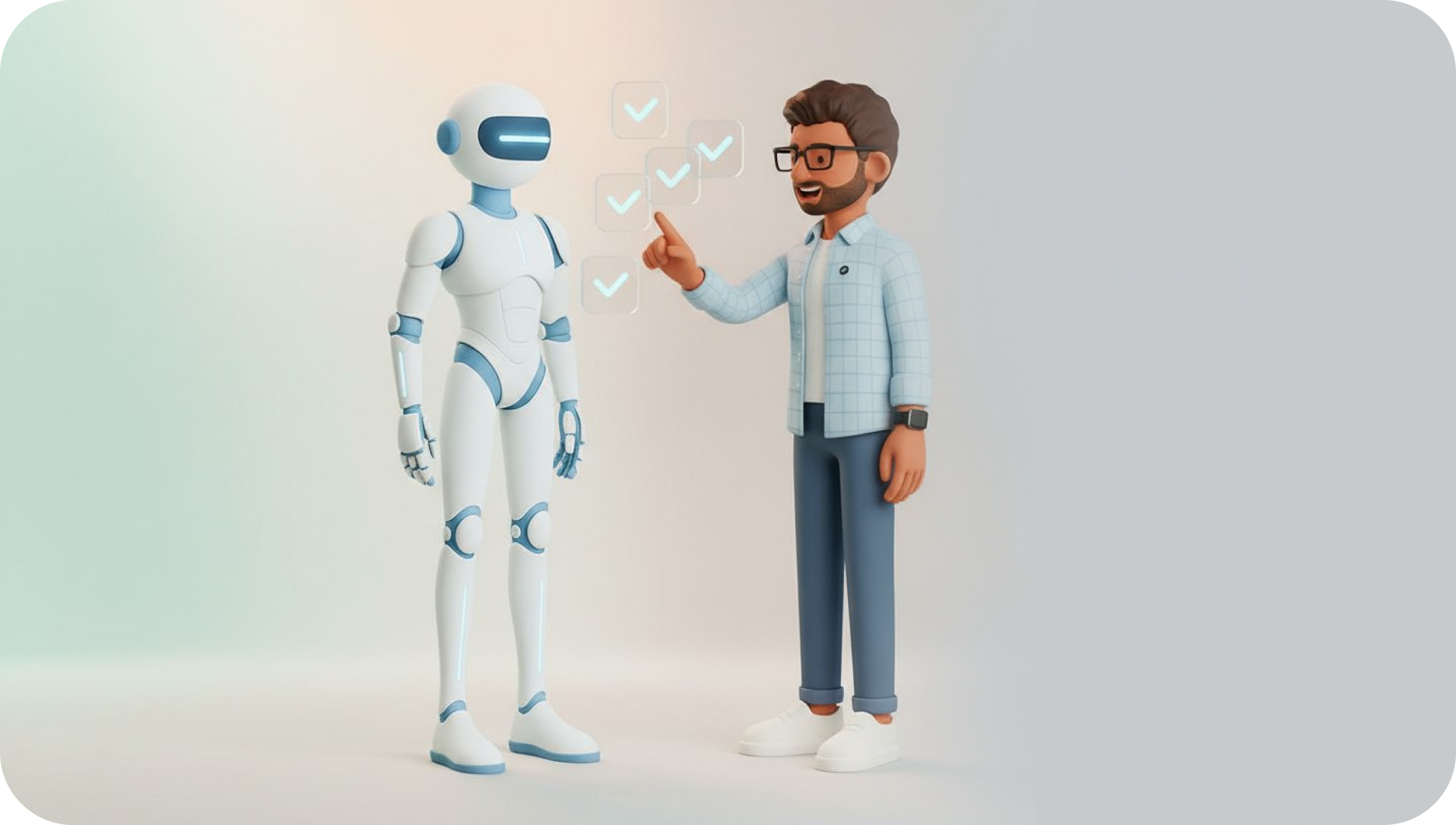
Despite all the talk about full sales automation, reps are fiercely protective of their client relationships. Almost every interviewee echoed the same sentiment: AI can write the draft, but only a human presses “send.”
The general consensus? “I don’t trust AI enough to send emails on my behalf without a thorough check. I know some people do it, but I’m just not there yet.”
For B2B sales, where a single mistake can blow a six-figure deal, the “human in the loop” isn’t a bottleneck—it’s a safety net.
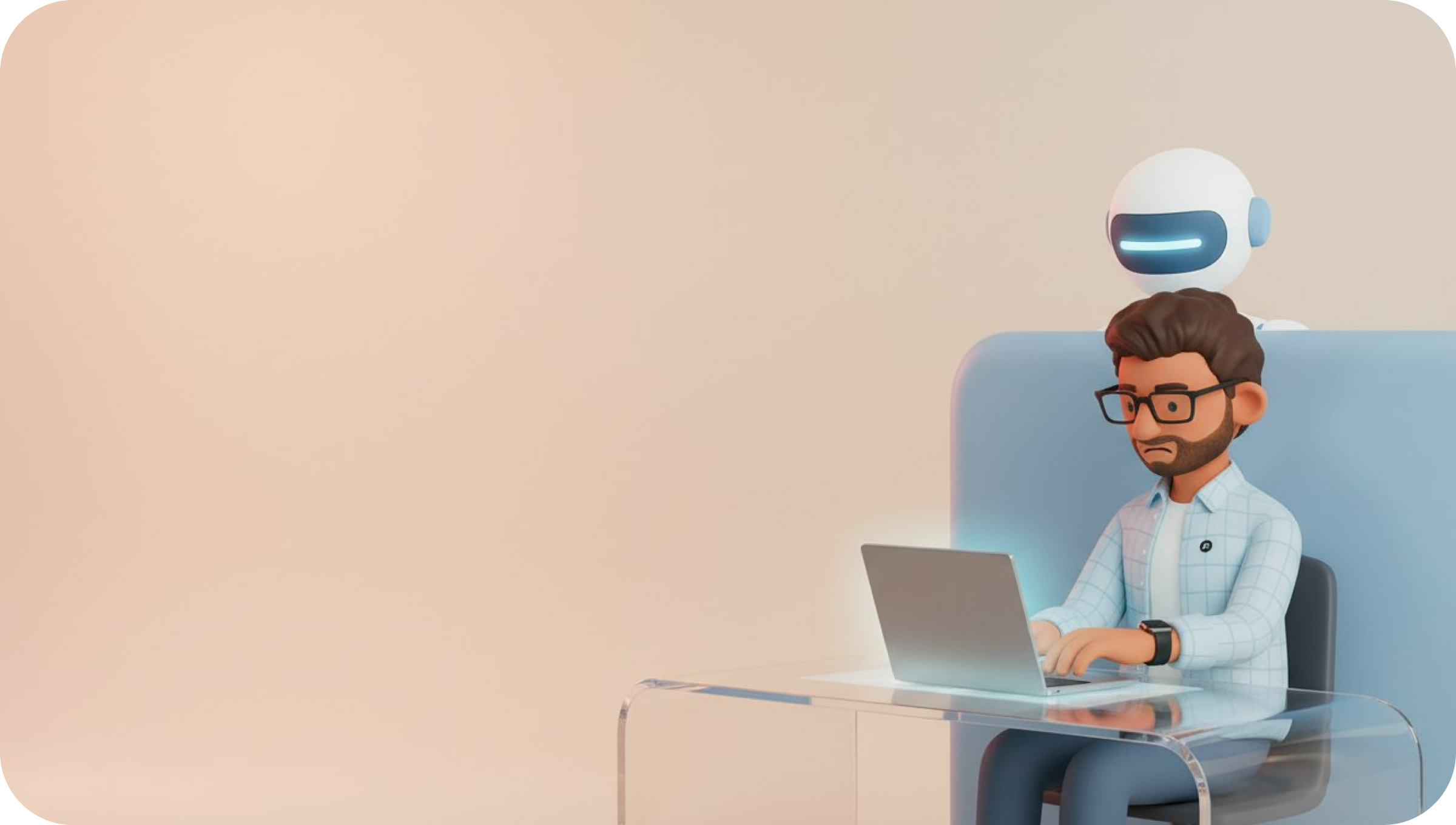
Interestingly, many reps are still keeping their AI usage a secret. There’s a lingering “Shadow AI” culture where reps use personal accounts to get work done while hiding it from managers and peers.
One customer service rep admitted:
“I don’t really talk about using AI; I’m sure it would be viewed negatively. But what am I supposed to do when our official tools are so inadequate?”
There’s also a growing “AI-dar” among teams. Reps mentioned they can immediately spot “AI slop”—that generic, overly-polite text—in their colleagues’ communications. The goal isn’t to sound like a bot; it’s to use the bot to sound like a better version of yourself.
This was perhaps the most unexpected insight. Sales is emotionally taxing, and reps are using AI to handle “difficult” clients.
Think about it: ChatGPT doesn’t have an ego. It doesn’t get offended by a rude email or a dismissive tone. One rep explained:
“AI has no bias and no ego. When I had a particularly heavy case, ChatGPT gave me a neutral, professional response that I could pass to the client without injecting my own frustrated emotions.”
By acting as a buffer, AI is literally helping sales teams avoid burnout. It’s the ultimate “cool-headed” assistant.
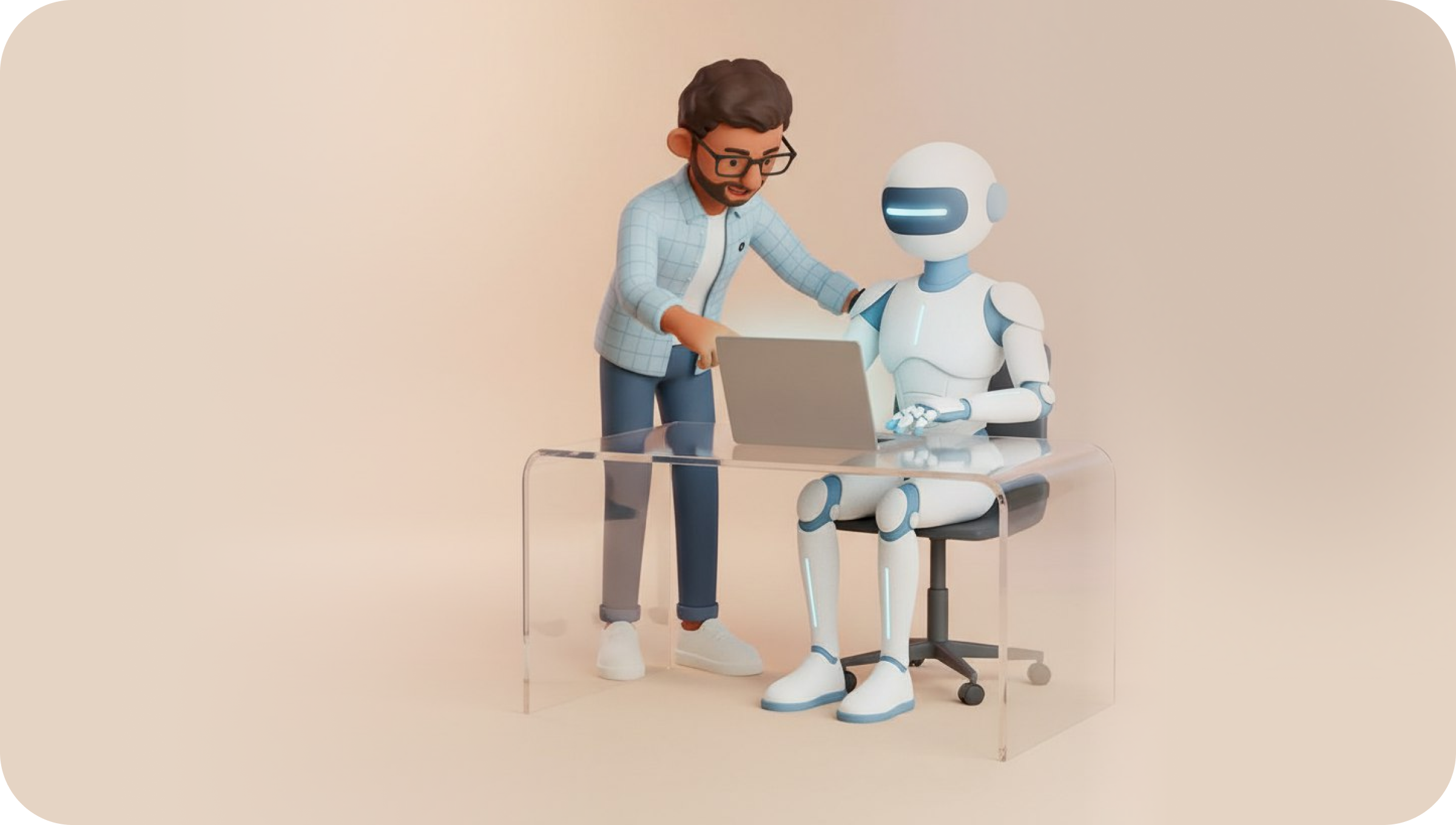
About 83% of the reps interviewed view AI as augmentation (making them better) rather than automation (taking the task away entirely).
The best analogy I saw in the transcripts?
“Treat AI like an over-caffeinated, super-charged intern. Only delegate the tasks you would trust a high-energy intern to handle.”
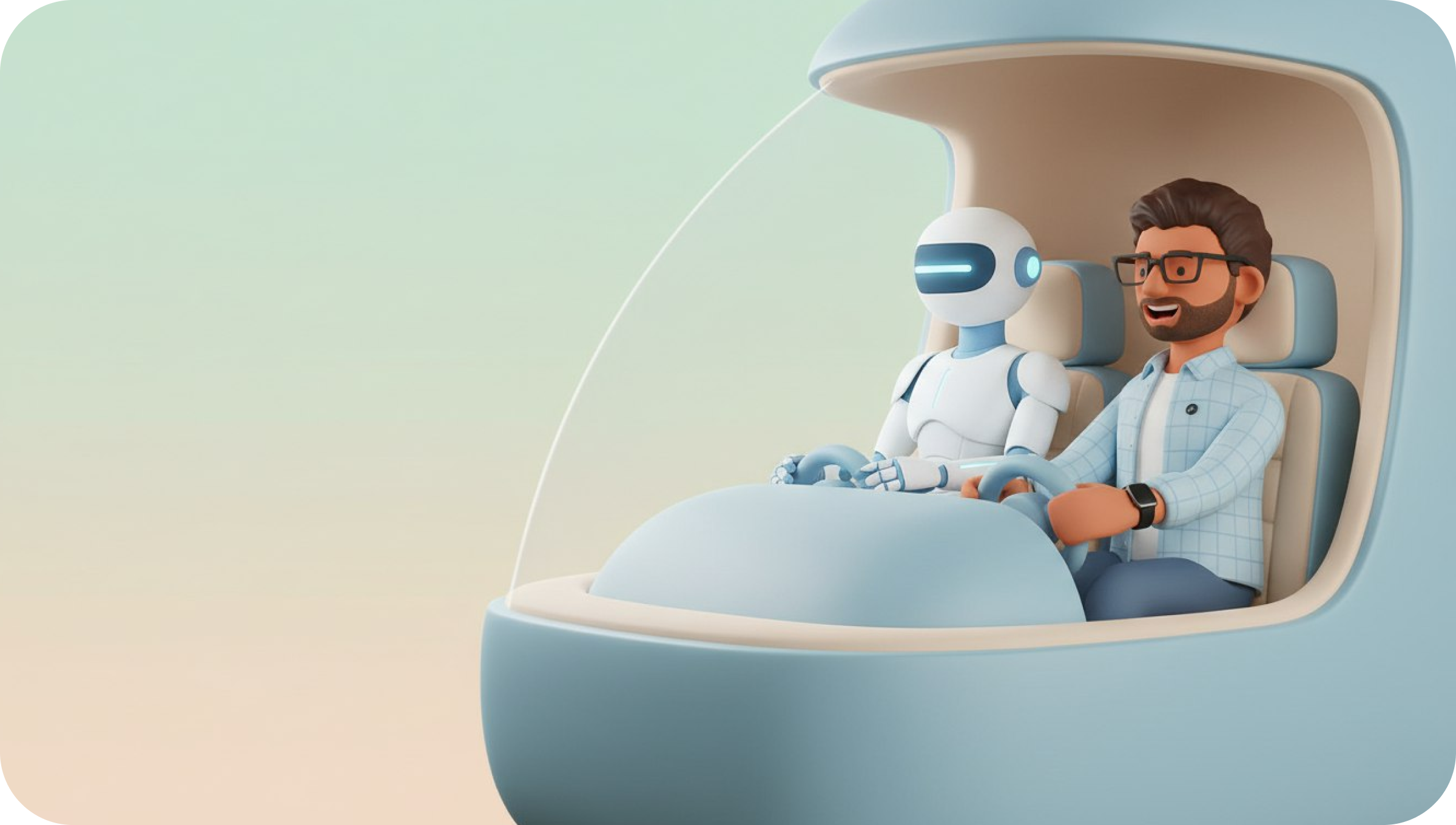
It’s funny because this is exactly how the best software developers describe their relationship with AI. It’s not about replacing the pilot; it’s about giving them a better cockpit.
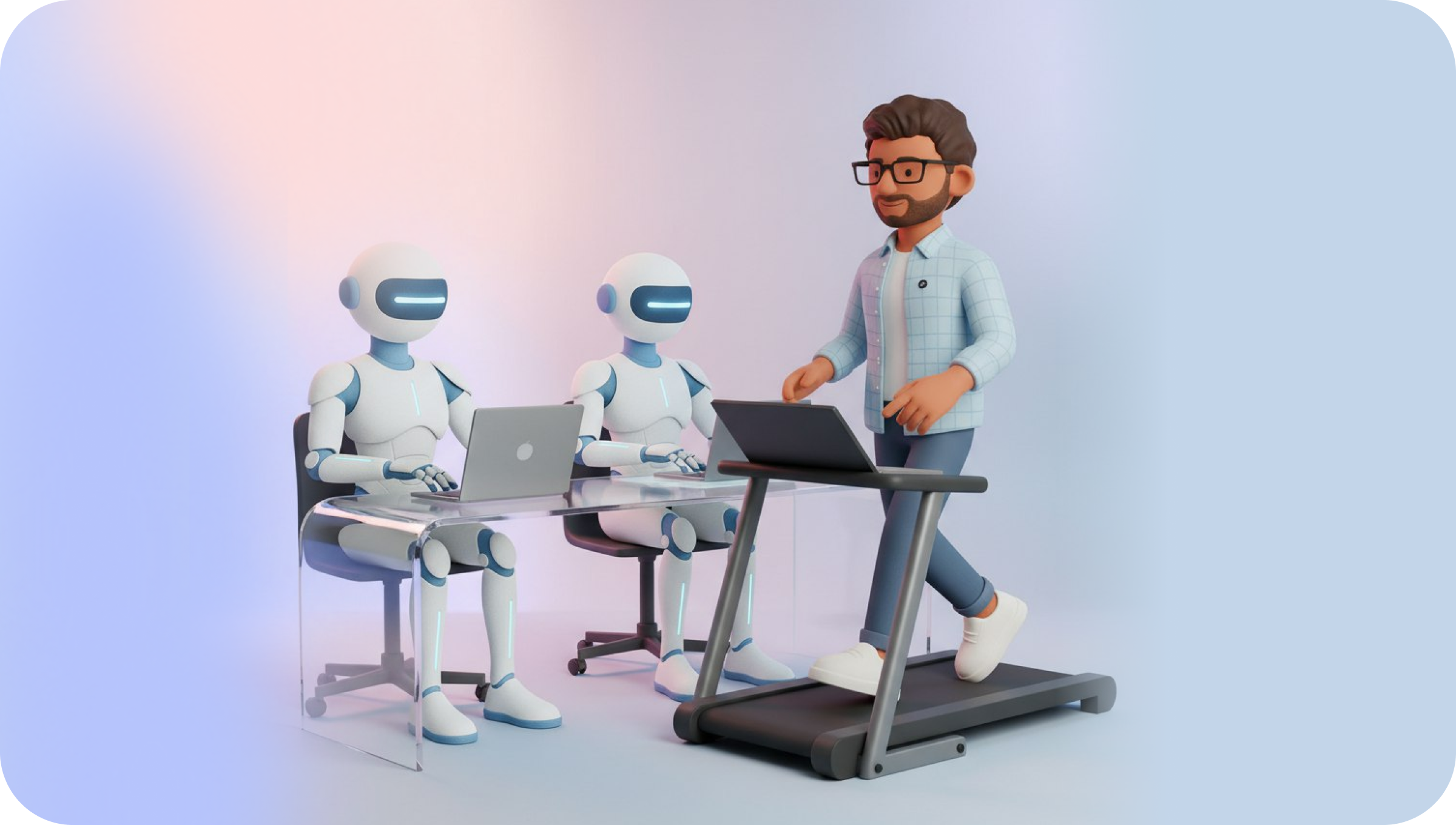
Unlike many other professions, sales reps aren’t losing sleep over AI replacement. They are confident that the “human” part of the job is the moat.
The prevailing logic is that “people buy from people.” No matter how advanced a LLM becomes, it can’t replicate the feeling of a real conversation, the shared laughter on a Zoom call, or the trust built over a long dinner.
As I often say: People want to buy from people. While AI will definitely take over the boring, administrative parts of the cycle, the “closing” will always require a human heart.
The Bottom Line: Sales is the most AI-positive profession right now. If you aren’t using these tools to sharpen your edge, you’re already falling behind the leaderboard.
At Onsa, we’re building the tools that act as that “super-intern”—helping you automate the grind so you can focus on the human connection.
P.S. If you’re one of the 83% who wants AI augmentation (not automation), check out Onsa. We built it with the “human in the loop” philosophy in mind.
A: Highly unlikely. While AI can handle lead gen and drafting, B2B sales relies on trust, nuance, and complex relationship management—things AI currently cannot replicate.
A: Use AI for the “first draft” and the research phase. Always edit the output to match your personal voice and ensure the specific pain points of your prospect are addressed. Avoid “AI slop” by being specific in your prompts.
A: While many reps do it, it’s better to frame AI as a productivity booster. Show the results (better numbers, faster response times) and most forward-thinking managers will be supportive.